
Have you thought about the tons of old computers which get scrapped each year? Neverware founder, Jonathan Hefter certainly has. The New York entrepreneur is developing a ground-breaking business idea which not only tackles the problem of IT waste, but also makes the latest IT technology available to educational institutions in the world’s poorest areas.
What is Neverware?
Through its innovative flagship product, the Juicebox a100, Neverware is able to upgrade 100 computers to Windows 7 and power them, simply by plugging them and the unit into a cloud-based network. Doing so transforms obsolete computers into virtual desktops able to handle the most-up-to-date software and applications.
How Does Neverware Work?
Explains Neverware, the Juicebox is a server which breathes new life into old PCs. Take a school in Africa, for example, which may have a building full of outdated donor computers. By connecting each of these computers to the Juicebox, through the existing network structure, each computer is able to operate on Windows 7, at full speed. With the hard drives removed, the aged computers boot up from the Juicebox and obtain all their computing power from it.
The implications of this business idea, which has been described as ‘truly disruptive’, are enormous. Not only can the Juicebox make IT accessible to developing nations, but it could also break the so-called ‘hardware refresh cycle’ (where corporates update their hardware approximately every five years) – bringing cost and environmental savings. Not that PC manufacturers like the idea, says Hefter, who pitched his idea to Intel and Dell, with no success. Neverware need never mind, however – New York City is contemplating a pilot programme which could see Neverware deployed in local schools. This is one entrepreneur doing perfectly well without the support of the big boys.
For more inspiration…
These computer refurbishing companies are doing good things…
- Per Scholas – A US-based not-for-profit organisation which provides access to technology for people in low-income communities.
- REPC – computer retail recycler
- GreenPC – low-cost remanufactured computers to families and schools.
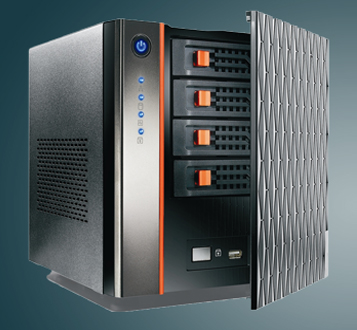
- Image courtesy of Neverware


